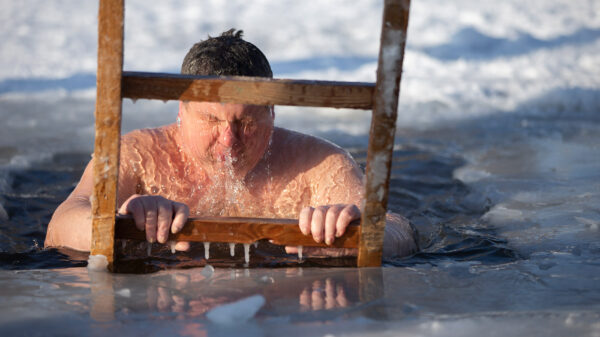
As we roll into 2026, cold plunging isn’t just a seasonal ritual, it’s become a cornerstone (a viral one also) of recovery routines, mental wellness practices, and athletic strategies across the globe. The New Year will see a wave of fitness-ready New Years resolution fanatics trying new forms of fitness they’ve most likely not tried before and we expect to see a surge in cold-plunges taking please.
This wave is spurred on by social media, watching people from elite training facilities to backyard plunge tubs, and watching others embrace cold water immersion for its invigorating shock and purported health benefits. But what does the science actually say, and who shouldn’t take the plunge without caution?
Cold Plunging, So What Is It?
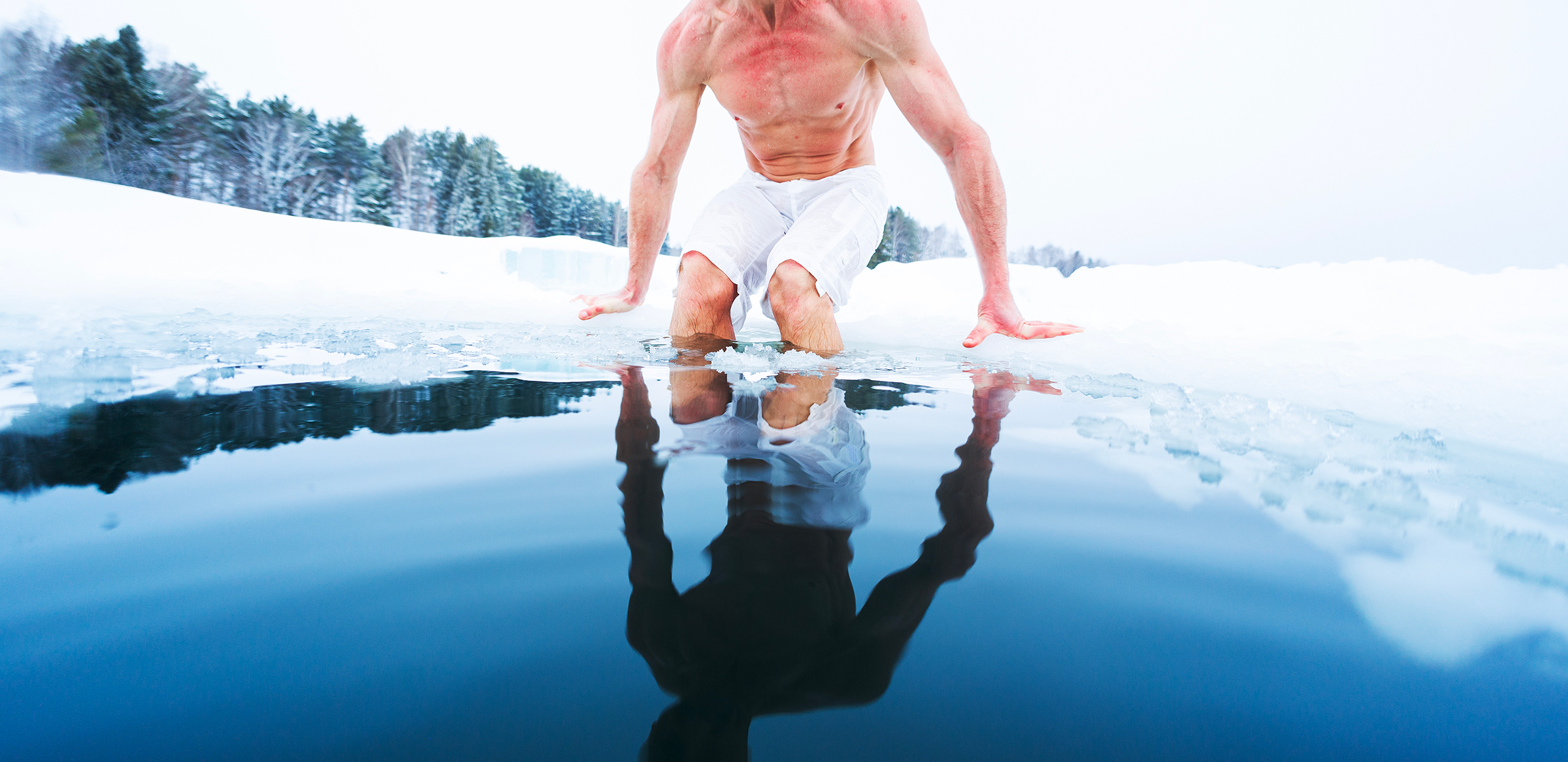
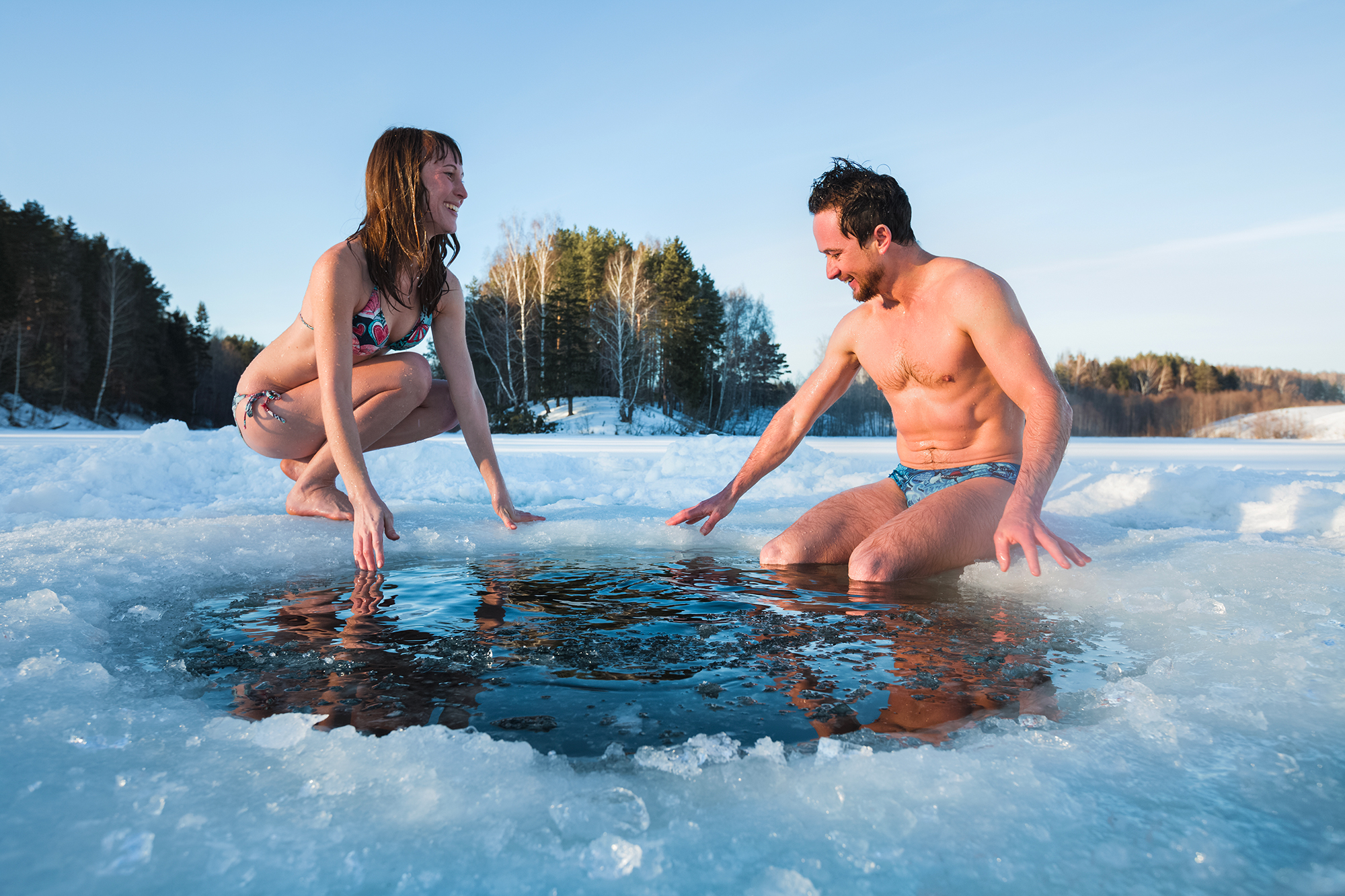
A cold plunge, also known as cold water immersion, involves submerging yourself in very cold water, often between 0–15°C (32–59°F), for a short duration. This can be done in an ice bath, a cold plunge tank, or even an icy lake. Typically, sessions start around 30 seconds to a few minutes and may build up over time for regular practitioners. Mayo Clinic Health System+1
Why Athletes Love the Cold
1. Muscle Soreness & Recovery
Many athletes, especially those in endurance sports, use cold water immersion after intense sessions. Research shows that cold plunges can reduce delayed onset muscle soreness (DOMS) and perceived fatigue compared with doing nothing, and sometimes even outperform other recovery methods like warm-water immersion or active recovery. PubMed
2. Reduced Perceived Fatigue
Studies indicate that cold-water immersion may help lower markers of muscle damage (like creatine kinase) and feelings of exhaustion up to 48 hours after strenuous exercise. PubMed
3. Psychological Edge
Cold plunging doesn’t just chill the body, it fires up the mind. Some research (and lots of athlete testimonials) suggest that submersion triggers endorphins, dopamine, and adrenaline, contributing to enhanced alertness, mood, and resilience to stress. Healthline
Interesting trend: Pro athletes often use cold therapy in tournaments where rapid recovery between events is crucial, even if long-term muscle growth isn’t the goal. Cycling Weekly
The Science Isn’t All Chill
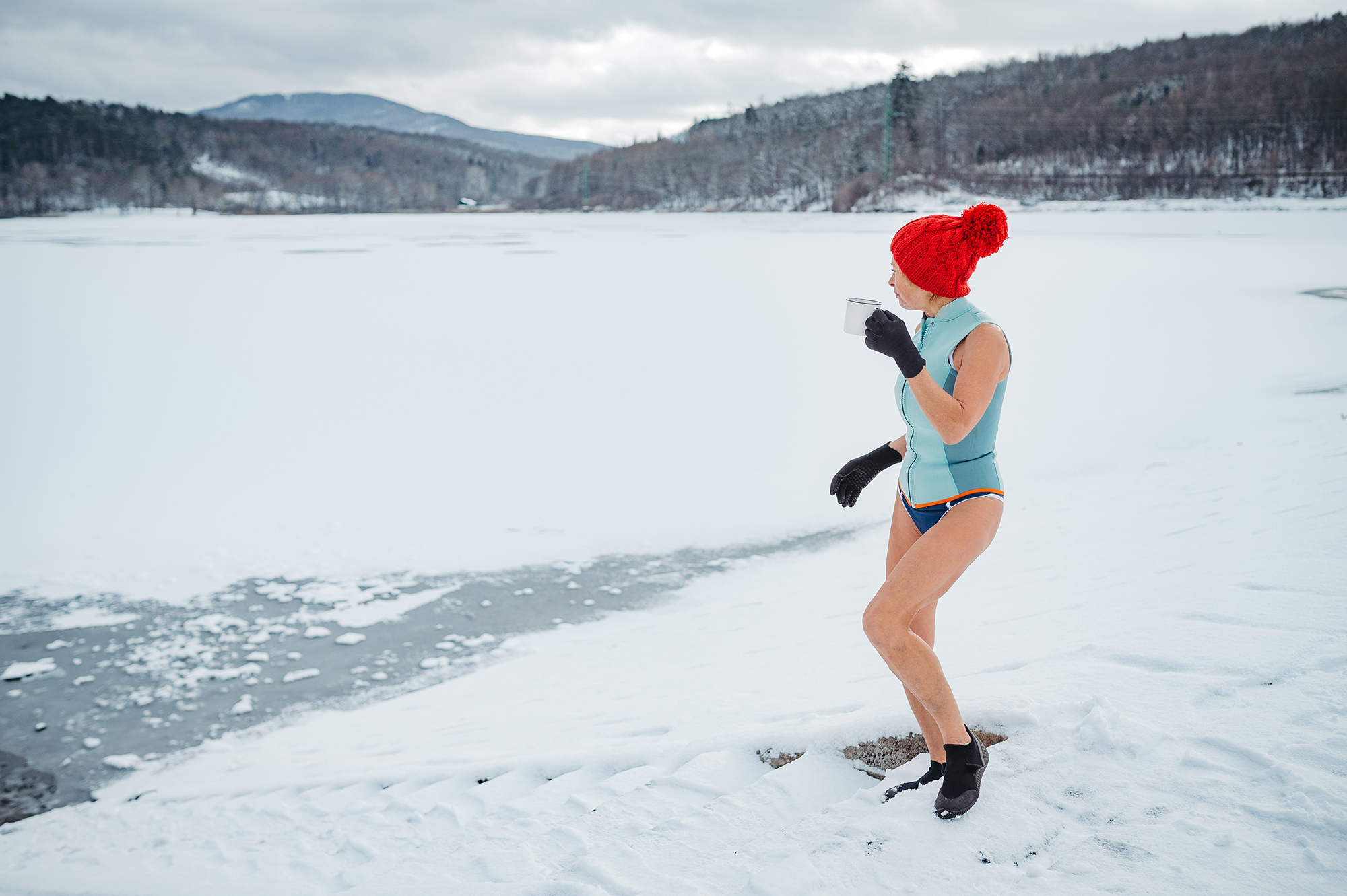
Despite the hype, scientific evidence isn’t universally glowing:
-
Mixed results on inflammation: Some reviews find cold-water immersion reduces soreness shortly after exercise, but others show it may not significantly alter actual inflammatory processes compared with active recovery. PubMed
-
Effects on muscle growth: Emerging studies suggest that cold plunges immediately after heavy resistance training may reduce blood flow and blunt protein synthesis, potentially limiting gains in muscle strength or size. The Washington Post
-
No magic for fat loss: While cold exposure increases energy use during and after plunging, it may also stimulate appetite, meaning any increase in calorie burn could be offset by eating more later. New York Post
So cold plunging can help with short-term recovery and freshness, but may not be a one-size-fits-all solution for long-term performance goals.
Risks You Shouldn’t Ignore
Cold plunging isn’t risk-free, especially in open water or for people with certain health issues:
Immediate physical risks
-
Cold shock and rapid breathing, which can cause dizziness or panic. Cleveland Clinic
-
High blood pressure spikes and increased cardiac stress due to constricted blood vessels. Cleveland Clinic
-
Hypothermia, frostbite, or loss of motor control if exposure is too long or water is extremely cold. Forbes
Who needs medical clearance?
People with heart disease, hypertension, diabetes, circulatory issues, neuropathy, or Raynaud’s disease should consult a healthcare provider before attempting cold plunges. Temple Health+1
In general, it’s wise to start with short durations and never plunge alone in uncertain conditions.
While many people experience cold plunges at gyms, saunas, or natural bodies of water, home setups are becoming increasingly popular — especially for those committed to regular recovery or wellness routines. Modern home plunge systems make it simple and safe to integrate cold immersion into your day, without relying on outdoor conditions.
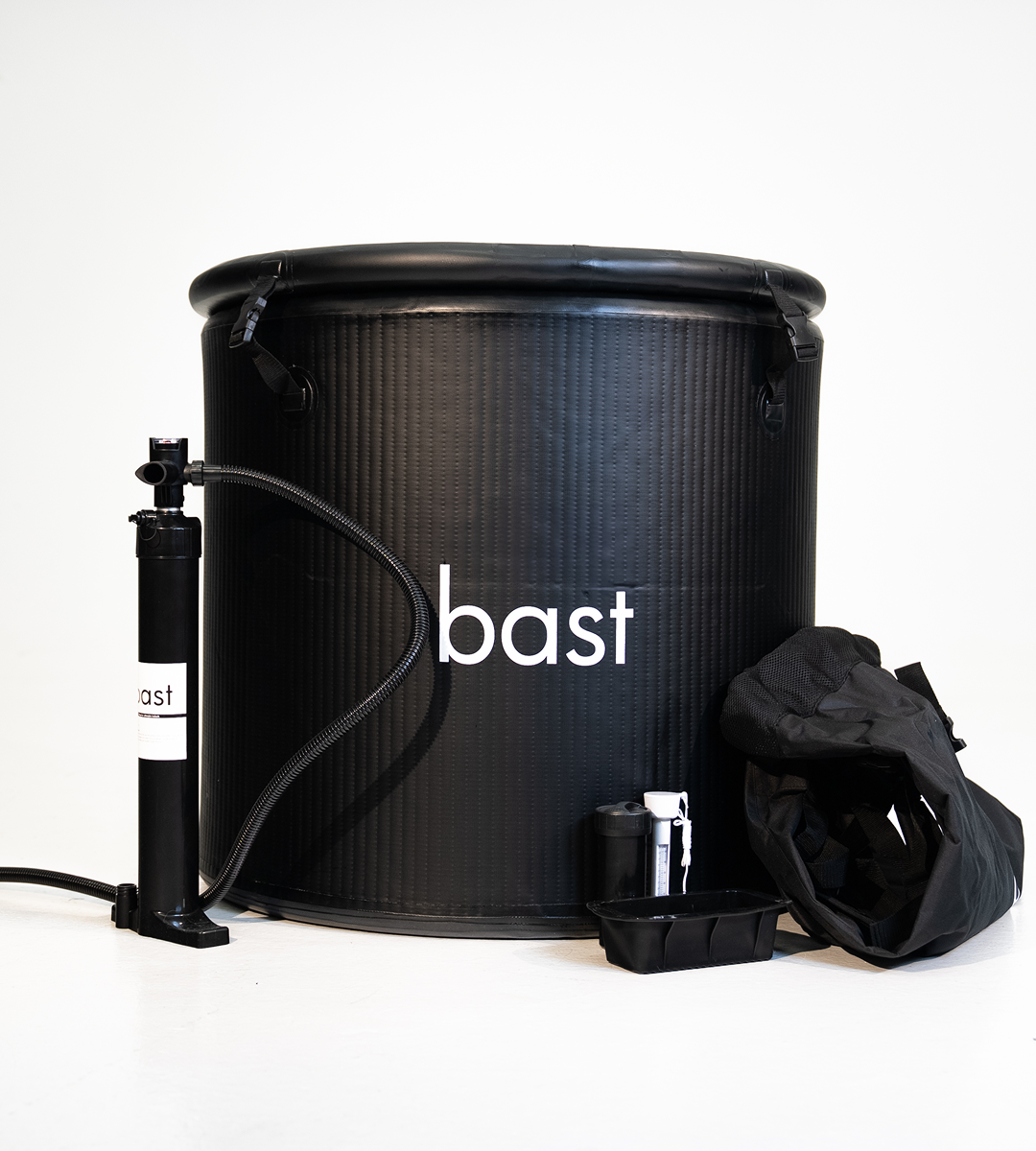
For example, premium setups like the Frost Ice Bath from Bast offer a portable, sturdy 450‑liter tub, rapid inflation, and included accessories such as a lid, thermometer, and weather protection. This allows for consistent, full-body cold plunges at home, making contrast therapy after saunas or workouts more accessible. Having your own setup also means you can experiment safely with timing and temperature, always under the guidance of medical advice. (bastsauna.com)
Best Practices Going Into The New Year
If you’re curious about adding cold plunges to your routine, here are some practical tips:
-
Start small: Begin with 30 seconds to a couple of minutes at a tolerable temperature. Mayo Clinic Health System
-
Warm up safely afterward: Dry off and slowly return to normal temperature — avoid immediate extremes like hot tubs if unprepared. WebMD
-
Time it right: Consider waiting about an hour after strength training to avoid stunting adaptation processes. The Washington Post
-
Medical advice is key: Especially if you have pre-existing conditions or concerns.
Final Words from Sauna Weekly
Cold plunging has evolved from a fringe ‘biohack’ into a mainstream tool across sports and wellness spaces. There’s some evidence it reduces muscle soreness, refreshes the body and mind, and helps athletes recover faster, but it is not a guaranteed shortcut to better performance, and mind it comes with real risks if done improperly. Mayo Clinic Health System+1
As we head into 2026, the mantra for cold plunging should be: informed, gradual, and safe!